
- Immune-Powered Cancer Care
Helping Your Body Fight Cancer
Immunotherapy is a type of cancer treatment that works with your body’s own immune system. Instead of directly killing cancer cells like chemotherapy, it helps your immune cells find and attack cancer more effectively. Treatment is planned by our specialists after testing to check whether it suits your type of cancer.
- Home
- Immunotherapy
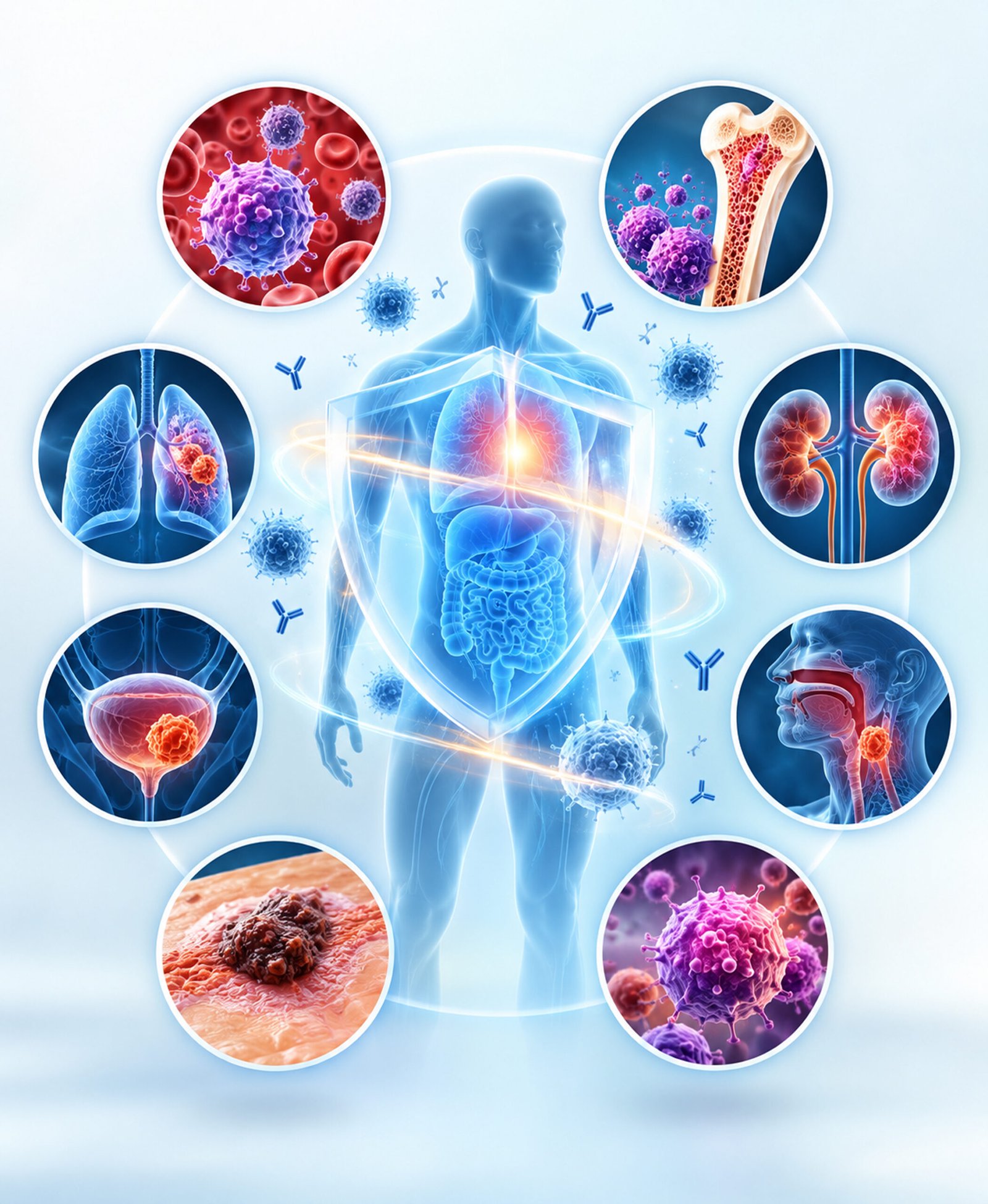
Conditions Treated: Who needs it?
Immunotherapy may be used for:
- Lymphomas and certain leukemias
- Multiple myeloma
- Lung, kidney, bladder, skin (melanoma), head and neck, and other cancers
- Cancers that have returned or not responded to other treatments
Your doctor may check tumour markers such as PD-L1 or other biomarkers to decide if it is suitable.
How it works?
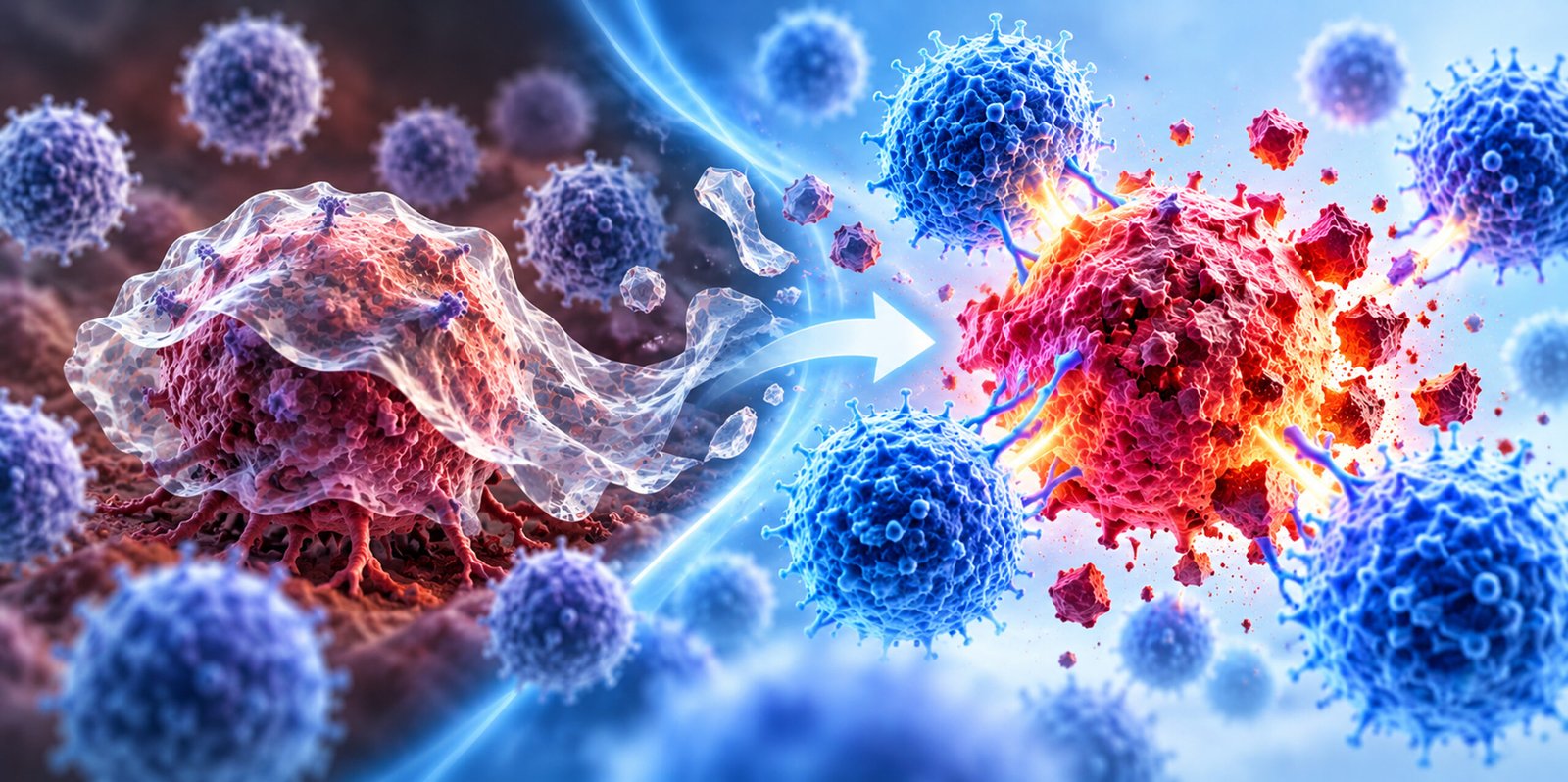
Cancer cells can hide from the immune system. Immunotherapy removes that disguise or strengthens your immune response so cancer cells can be recognized and destroyed.
Before the procedure
Before immunotherapy begins, your care team checks your overall health and confirms that this treatment suits your type of cancer. A few simple tests help plan the safest approach. You are also given a clear explanation of the process, and your questions are answered.
Blood tests, including thyroid, liver, and kidney function
Biomarker or tissue testing where needed
Screening for infections and for autoimmune conditions
Review of current medicines, especially steroids
Consent after a clear discussion of benefits and risks
What happens during treatment?
1
Vitals and blood reports are checked.
2
An IV line is placed (or a port is used).
3
The medicine is infused over about 30 minutes to a few hours, depending on the drug.
4
You are observed for reactions during and after the infusion.
Treatment is usually repeated every 2 to 6 weeks, depending on the drug.


After care and recovery
- Keep all scheduled blood tests and scans
- Report any new symptom, even if it seems minor
- Carry a treatment card so any doctor you see knows you are on immunotherapy
- Do not start steroids or new medicines without telling your oncologist
When to call your doctor?
Contact us promptly if you have:
Persistent diarrhoea or blood in stool
01
New or severe skin rash
02
Cough or shortness of breath
03
Yellowing of skin or eyes
04
Severe tiredness or fever
05
Headache or vision changes
06
Excessive thirst or frequent urination
07
- FAQs
Frequently Asked Questions
It varies. Some people respond in weeks, others take months.
Yes, in many cancers the combination is standard. Your doctor will advise.
Often different rather than milder. Early reporting is key.
Only on your doctor's advice.
No, eligibility is decided after testing and review.
Wondering If Immunotherapy Is Right for You?
Our oncologists are here to explain how this treatment works and whether it suits your type of cancer. Book an appointment for yourself or a loved one, and we will help you take the next step with confidence.